Tsetse Flies and Sleeping Sickness in Sub-Saharan Africa
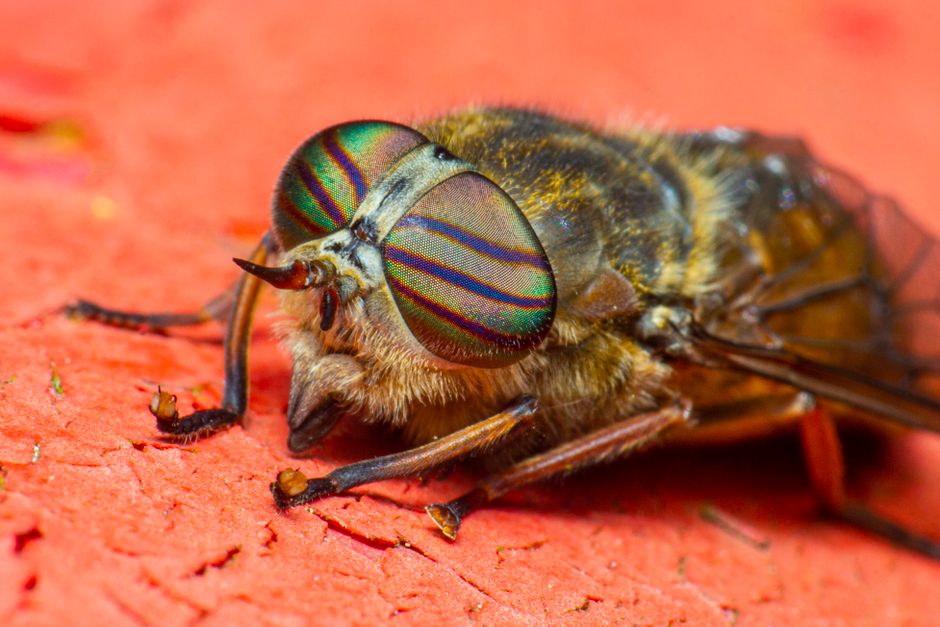
Tsetse flies are blood-feeding insects of the genus Glossina that inhabit large parts of sub-Saharan Africa. They are the biological vectors for trypanosomes, single-celled parasites that cause sleeping sickness in humans and a similar disease known as nagana in livestock. The distribution of these flies is closely tied to specific ecological conditions, and their presence has significant implications for public health and agriculture in affected regions.
Sleeping sickness, or human African trypanosomiasis, progresses in two stages: an initial haemolymphatic phase with non-specific symptoms, followed by a neurological phase if the parasites cross into the central nervous system. Without appropriate medical intervention, the disease can be fatal. In animals, nagana leads to anaemia, weight loss, reduced fertility, and decreased productivity, affecting cattle, goats, sheep, and other domesticated species. The economic impact on rural communities can be substantial.
Understanding the biology and ecology of tsetse flies is essential for developing effective control strategies. Various methods have been employed to manage tsetse populations, including traps, insecticides, and the sterile insect technique. Each approach has its own set of considerations, and integrated strategies are often recommended to achieve sustainable results. This article provides an overview of tsetse flies, the diseases they transmit, and the current control methods, with a focus on the sub-Saharan African context.
Biology and Ecology of Tsetse Flies
Tsetse flies are unique among insects in several respects. They are viviparous, meaning that females give birth to live larvae that are fully developed and ready to pupate. This reproductive strategy results in a relatively low reproductive rate, which can influence population dynamics and control efforts. Tsetse flies are also obligate blood feeders, requiring regular blood meals to survive and reproduce. Both male and female flies feed on vertebrate blood, and they can transmit trypanosomes during feeding.
The genus Glossina is divided into several species groups, including the morsitans group (savannah flies), the palpalis group (riverine and lacustrine flies), and the fusca group (forest flies). Each group has distinct habitat preferences and behaviours. For example, savannah flies are typically found in open woodlands and savannahs, while riverine flies inhabit vegetation along rivers and lakes. These ecological differences affect the transmission dynamics of trypanosomiasis and the design of control programmes.
Environmental factors such as temperature, humidity, and vegetation cover play a crucial role in determining tsetse fly distribution. Flies are sensitive to desiccation and require microclimates with sufficient humidity. As a result, they are often absent from arid regions and high-altitude areas. Climate change and land-use changes can alter suitable habitats, potentially shifting the geographic range of tsetse flies and the diseases they transmit. Monitoring these changes is important for anticipating future disease risks.
Trypanosomes and Associated Diseases
Trypanosomes are protozoan parasites that belong to the genus Trypanosoma. The species responsible for sleeping sickness in humans are primarily Trypanosoma brucei gambiense and T. b. rhodesiense. T. b. gambiense causes a chronic form of the disease in West and Central Africa, while T. b. rhodesiense causes a more acute form in Eastern and Southern Africa. In livestock, several species of trypanosomes, including T. congolense, T. vivax, and T. brucei brucei, are responsible for nagana.
The transmission cycle involves the tsetse fly as an intermediate host. When a fly feeds on an infected animal or human, it ingests trypanosomes, which then undergo a complex developmental cycle in the fly’s midgut and salivary glands. After a period of development, the fly becomes infectious and can transmit the parasites to a new host during subsequent blood meals. This biological transmission is efficient and contributes to the persistence of the disease in endemic areas.
Diagnosis of sleeping sickness requires laboratory confirmation, typically through microscopic examination of blood, lymph node aspirates, or cerebrospinal fluid. Serological tests are used for screening in some settings. Treatment depends on the stage of the disease and the infecting species, and may involve drugs that cross the blood-brain barrier for the neurological stage. In animals, diagnosis is often based on clinical signs and laboratory tests, and treatment options are limited, with control relying heavily on vector management and trypanocidal drugs.
Control Methods: Traps and Insecticides
Traps and insecticide-treated targets are widely used for tsetse control. These devices exploit the flies’ visual and olfactory responses to host cues. Traps are typically made of blue and black cloth, which attract tsetse flies, and are often treated with insecticides to kill flies that land on them. Some traps also incorporate odour baits, such as acetone or cattle urine, to enhance their attractiveness. The effectiveness of traps depends on factors such as trap design, placement, and density, as well as the species of tsetse fly being targeted.
Insecticides can be applied in various ways. Ground spraying involves spraying vegetation with residual insecticides, while aerial spraying uses aircraft to apply fine droplets over large areas. Both methods can reduce tsetse populations but may have environmental impacts and require careful planning. Insecticide-treated cattle is another approach: cattle are treated with pour-on formulations or insecticide-impregnated ear tags, which kill flies that feed on them. This method integrates vector control with livestock management and can be cost-effective in areas where cattle are important.
Challenges associated with insecticide use include the development of resistance in tsetse populations, environmental contamination, and effects on non-target organisms. Therefore, integrated approaches that combine different methods are often recommended to reduce reliance on any single tactic. Community participation and stakeholder engagement are also important for the success and sustainability of control programmes. In some cases, area-wide integrated pest management (AW-IPM) programmes have been implemented, which coordinate actions across large areas to achieve long-term suppression or elimination of tsetse populations.
Sterile Insect Technique (SIT)
The sterile insect technique (SIT) is a method of pest control that involves mass-rearing target insects, sterilizing them using ionizing radiation, and releasing them into the wild. Sterile males mate with wild females, but no offspring are produced, leading to a reduction in the population over time. SIT is species-specific and environmentally friendly, as it does not involve the use of insecticides. However, it requires a thorough understanding of the target species’ biology and behaviour, as well as efficient mass-rearing and sex-separation techniques.
For tsetse flies, SIT has been successfully used in several programmes, particularly on islands and in isolated areas where reinvasion is limited. The technique is most effective when integrated with other control methods, such as traps and insecticides, to first reduce the target population to a low level. Then, sterile males are released to eliminate the remaining individuals. This phased approach, known as the sterile insect technique, has been applied in Zanzibar and parts of mainland Africa, with some programmes achieving local elimination of tsetse flies.
Challenges for SIT include the high cost of mass-rearing facilities, the need for consistent production of competitive sterile males, and the logistics of releasing sterile flies over large areas. Additionally, SIT is not suitable for all tsetse species; it works best for species that are amenable to mass-rearing and have a low reproductive rate. Research is ongoing to improve the efficiency and reduce the costs of SIT for tsetse control, including the development of genetic sexing strains and automated release systems.
Integrated Approaches and Future Directions
Effective management of tsetse flies and trypanosomiasis often relies on integrated approaches that combine multiple control methods. These may include traps, insecticide-treated targets, insecticide-treated cattle, and SIT, tailored to local ecological and epidemiological conditions. The choice of methods depends on factors such as the tsetse species present, the level of disease transmission, the availability of resources, and the socio-economic context. Community-based vector control programmes, where local residents are trained to maintain traps and report fly densities, can enhance sustainability and ownership.
Surveillance and monitoring are critical components of any control programme. Regular assessments of tsetse fly populations, infection rates, and disease incidence help guide interventions and evaluate their impact. Geographic information systems (GIS) and remote sensing technologies can be used to map suitable habitats and target control efforts more precisely. In addition, the development of new tools, such as improved traps, novel insecticides, and genetic control methods, continues to expand the toolbox for tsetse management.
Collaboration among governments, research institutions, and international organizations is essential for addressing tsetse-borne diseases across borders. The African Union’s Pan African Tsetse and Trypanosomiasis Eradication Campaign (PATTEC) is an example of a coordinated effort to create tsetse-free areas in Africa. Such initiatives aim to improve human health and agricultural productivity, contributing to poverty reduction and food security. While challenges remain, ongoing research and adaptive management offer hope for reducing the burden of sleeping sickness and nagana in sub-Saharan Africa.