Ant Colonies: Masters of Social Organization
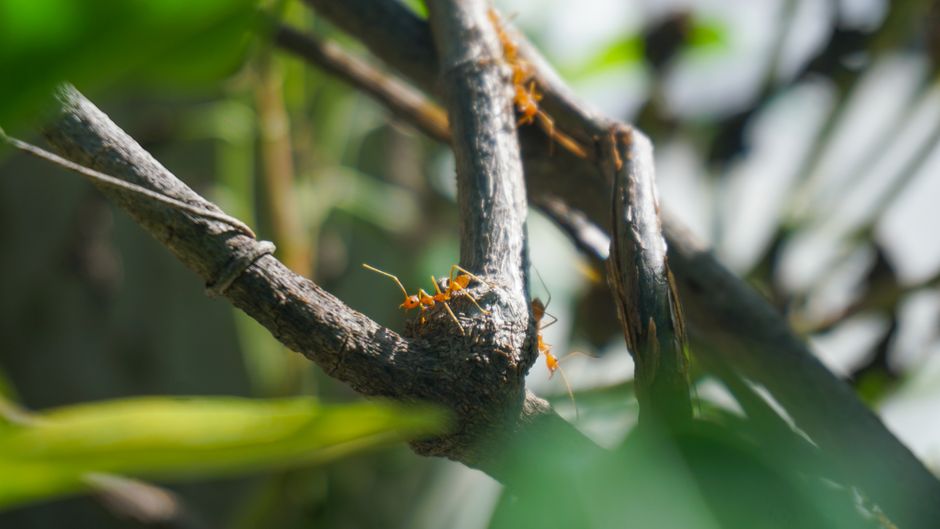
Ant colonies are often regarded as some of the most highly organized societies in the natural world. In South Africa, a diverse array of ant species exhibits intricate social structures that facilitate division of labor, cooperative foraging, and complex interactions with their environment. These insects operate within a framework where individual roles contribute to the overall functioning of the colony, demonstrating a level of coordination that has fascinated researchers for decades. The study of African ants, particularly driver ants, provides valuable insights into how collective behavior can influence local ecosystems and insect populations.
The social organization of ant colonies relies on a combination of chemical communication, instinctual behaviors, and environmental cues. Within a colony, different castes perform specialized tasks, ranging from reproduction to defense and foraging. This division of labor is not rigid but can adapt based on the colony’s needs and external conditions. Cooperative foraging strategies, such as group raids, further illustrate the sophisticated coordination that enables ants to exploit resources efficiently. Understanding these mechanisms offers a window into the ecological roles that ants play in South African habitats.
This article explores the key aspects of ant social organization, focusing on division of labor, cooperative foraging, and the impact of driver ant raids. It also considers how these behaviors contribute to the broader ecological dynamics of the region. By examining these processes, we can appreciate the complexity of ant societies and their significance in natural systems.
Division of Labor Within Ant Colonies
Division of labor is a fundamental characteristic of ant colonies, where individuals are assigned specific tasks based on their physical traits, age, or reproductive status. In many African species, colonies consist of a queen, workers, and sometimes soldiers, each with distinct roles. The queen’s primary function is reproduction, laying eggs that sustain the colony’s population. Workers, which are typically sterile females, perform a variety of tasks such as foraging, nest maintenance, and caring for brood. Soldiers, in species that have them, are responsible for defense and sometimes participate in raids.
The allocation of tasks is often flexible and can shift in response to changing conditions. For instance, younger workers may initially perform indoor tasks like nursing, while older workers take on riskier outdoor activities such as foraging. This age-based polyethism is common in many ant species and helps optimize colony efficiency. Chemical signals, such as pheromones, play a crucial role in coordinating these activities, allowing workers to communicate about food sources, threats, or the need for nest repairs.
In driver ants, division of labor is particularly pronounced. These ants, known for their aggressive foraging raids, have specialized worker castes that vary in size and function. Larger workers, sometimes called majors, often lead the raids and handle large prey, while smaller minors perform supportive roles. The queen, which is significantly larger than the workers, is devoted entirely to reproduction and can lay millions of eggs over her lifetime. This caste system ensures that the colony can respond effectively to environmental challenges and exploit available resources.
Cooperative Foraging Strategies
Cooperative foraging is a hallmark of ant social organization, enabling colonies to gather food more efficiently than solitary individuals could. In many African ant species, foragers work together to locate, subdue, and transport prey or other food items back to the nest. This cooperation is often facilitated by trail pheromones, which ants deposit to mark paths to food sources. Other workers then follow these trails, reinforcing the chemical signal and creating a collective memory of the resource’s location.
Driver ants exemplify cooperative foraging through their mass raids. These raids involve thousands to millions of workers moving in coordinated columns or swarms, sweeping across the forest floor or savanna. The ants overwhelm prey, including insects, spiders, and even small vertebrates, through sheer numbers and coordinated attacks. The raid’s success depends on the collective effort of the colony, with individuals communicating via pheromones and tactile signals to maintain cohesion and direction.
The impact of these raids on local insect populations can be substantial. By preying on a wide range of arthropods, driver ants help regulate prey numbers and influence community structure. However, the extent of this impact varies with factors such as habitat type, season, and the availability of alternative prey. Cooperative foraging thus represents a dynamic interaction between ant colonies and their environment, shaped by evolutionary pressures and ecological contingencies.
Driver Ant Raids and Their Ecological Impact
Driver ant raids are among the most dramatic examples of cooperative behavior in the insect world. These raids typically occur during the day or night, depending on the species, and involve a coordinated movement of workers that can cover considerable distances. The raids serve two main purposes: to acquire food and to defend the colony’s territory. During a raid, ants form a moving front that flushes out prey, which is then captured and dismembered by the workers.
The ecological impact of driver ant raids is multifaceted. On one hand, they directly reduce the populations of other insects and small animals, potentially affecting the structure of local communities. On the other hand, the raids create opportunities for other organisms; some birds and mammals follow driver ant swarms to feed on fleeing prey. Additionally, the ants’ activities can influence soil turnover and nutrient cycling through their nesting and foraging behaviors.
Research on driver ants in South Africa and other parts of Africa has shown that their raids can vary in intensity and frequency. Factors such as rainfall, temperature, and the availability of prey influence raid patterns. The ants’ ability to adapt their foraging strategies to local conditions highlights the flexibility of their social organization. While the immediate effects of raids are often visible, the long-term consequences for insect populations and ecosystem dynamics are complex and depend on a range of interacting variables.
Environmental and Seasonal Influences
The social organization and foraging behavior of African ants are closely tied to environmental conditions. Seasonal changes, such as the onset of the rainy season, can trigger shifts in activity patterns. For example, many ant species increase foraging activity when food is abundant, while reducing it during dry periods. Temperature also plays a role, as ants are ectothermic and rely on external heat to regulate their body temperature. Extreme temperatures can limit foraging times or force colonies to adjust their nest architecture.
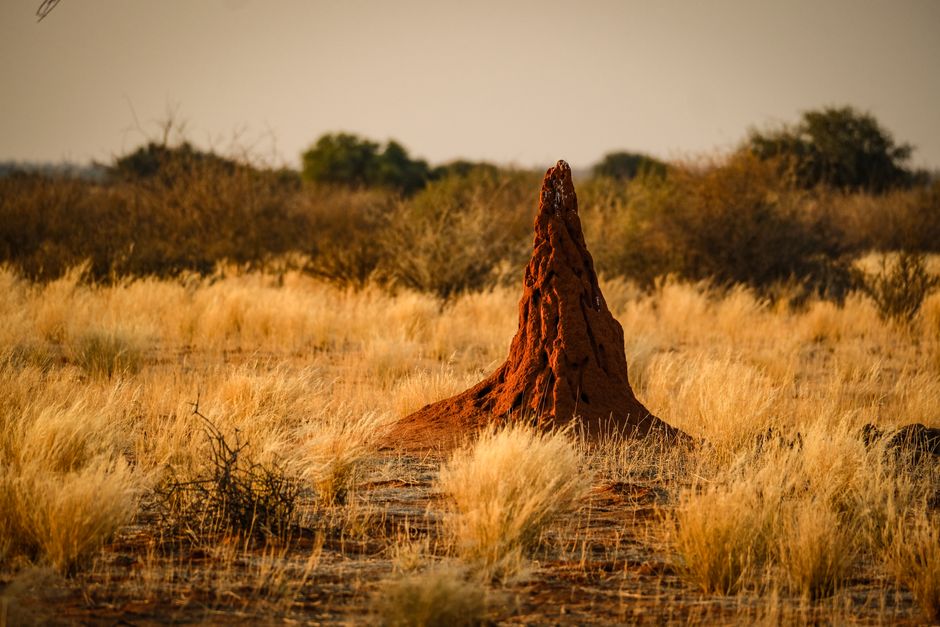
In South Africa, the diverse climates—from coastal forests to semi-arid savannas—support a wide variety of ant species, each adapted to its specific habitat. Driver ants, for instance, are more commonly found in forested regions where humidity is higher, while other species thrive in more arid environments. These adaptations reflect the interplay between social behavior and ecological constraints, illustrating how ant colonies respond to the challenges of their surroundings.
Human activities, such as land conversion and agriculture, can also affect ant populations and their social structures. Changes in habitat may alter the availability of nesting sites and food resources, potentially impacting colony dynamics. Understanding these influences is essential for comprehending the full scope of ant social organization and its ecological significance.
Conclusion: The Complexity of Ant Societies
Ant colonies, particularly those of African driver ants, represent remarkable examples of social organization in the animal kingdom. Through division of labor and cooperative foraging, these insects achieve a level of collective efficiency that allows them to thrive in diverse environments. The raids conducted by driver ants not only secure resources but also shape interactions with other species, contributing to the intricate web of life in South African ecosystems.
Studying ant societies provides insights into the principles of self-organization, communication, and ecological impact. While much remains to be understood about the specific mechanisms and outcomes, the existing knowledge underscores the importance of these insects in natural systems. Organizations like Savanna Insects contribute to research and education about such topics, fostering a deeper appreciation for the complexity of insect life.
As we continue to explore the behavior of ants, it is clear that their social structures are not static but dynamic, influenced by a multitude of factors. This complexity invites further investigation and highlights the value of observing and understanding the natural world.