Topic Selection
Topics are identified from ongoing field observations, reader inquiries, and notable gaps in existing literature on African insect ecology and behavior.
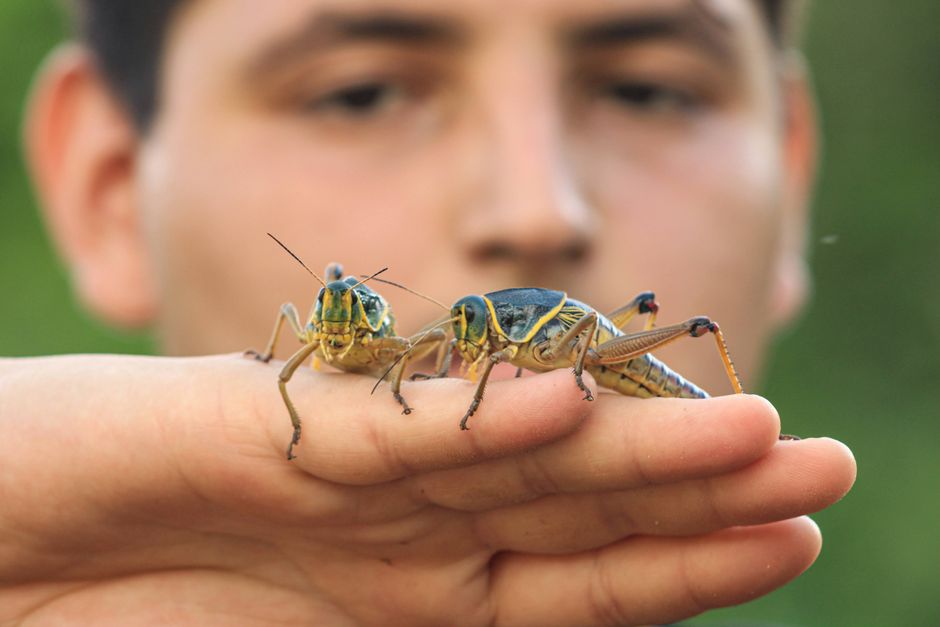
Savanna Insects is maintained by a team with formal training in entomology, ecology, and field research. Their qualifications include university studies in biological sciences, participation in research projects across southern African ecosystems, and ongoing engagement with scientific literature. The blog reflects a methodology of direct observation, specimen identification, and habitat assessment. Content development involves iterative review and cross-referencing with published studies. Given that ecological knowledge is continually refined, the team emphasizes contextual interpretation and points to primary sources where available. Many also pursue continuing education through workshops and collaborations with fellow naturalists.
Topics are identified from ongoing field observations, reader inquiries, and notable gaps in existing literature on African insect ecology and behavior.
Relevant scientific publications and field reports are reviewed to contextualize each topic within established knowledge and current research discussions.
Observations are conducted in natural habitats, recorded systematically, and later compared with documented behaviors and ecological patterns.
Information is cross-checked across multiple independent sources and updated when new findings, corrections, or environmental changes emerge.
The detailed articles on termite behaviour have been useful for my ecology studies. The information is clear and well-referenced. Individual experiences may vary.
I used the field notes on tsetse flies during a recent survey. The content is practical and informative, though how useful it is depends on your specific context and existing knowledge.
As a researcher, I appreciate the thorough approach to insect roles in ecosystems. However, interpretations and applicability can differ based on one's background and study parameters.
Savanna Insects offers general information on African insect ecology and behavior. Our content serves as a neutral resource for students, researchers, and naturalists. It supports field observation, study, and ecological risk assessment, but does not replace professional judgment. Given the variability of field conditions and species interactions, individual observations may vary.
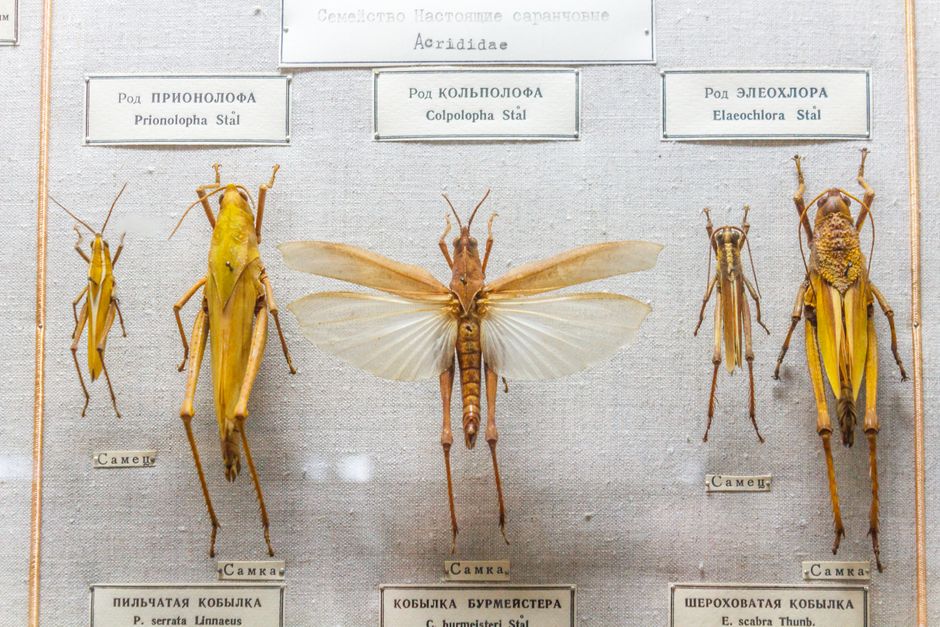
The content on Savanna Insects is grounded in an ongoing engagement with entomological research, field observation, and the collaborative nature of scientific inquiry. African insect species diversity, habitat associations, and behavioral patterns are areas of active study, and the blog reflects a process-oriented approach — emphasizing methods, sources, and the evolving state of knowledge rather than fixed conclusions. Topics such as termites, ants, locusts, tsetse flies, and beetles are presented as subjects of continuing investigation. Readers are encouraged to consider context, geographic variation, and unresolved questions when applying information in field observation, study, or ecological assessment. The blog prioritizes transparency about uncertainty and the limits of current understanding. Its role is to compile, contextualize, and share material that may inform further inquiry — recognizing that entomological understanding depends on multiple factors and is subject to revision.